Heating and Cooling Questions, Answered Plainly
Questions and answers
What can I safely check myself when my AC stops cooling?
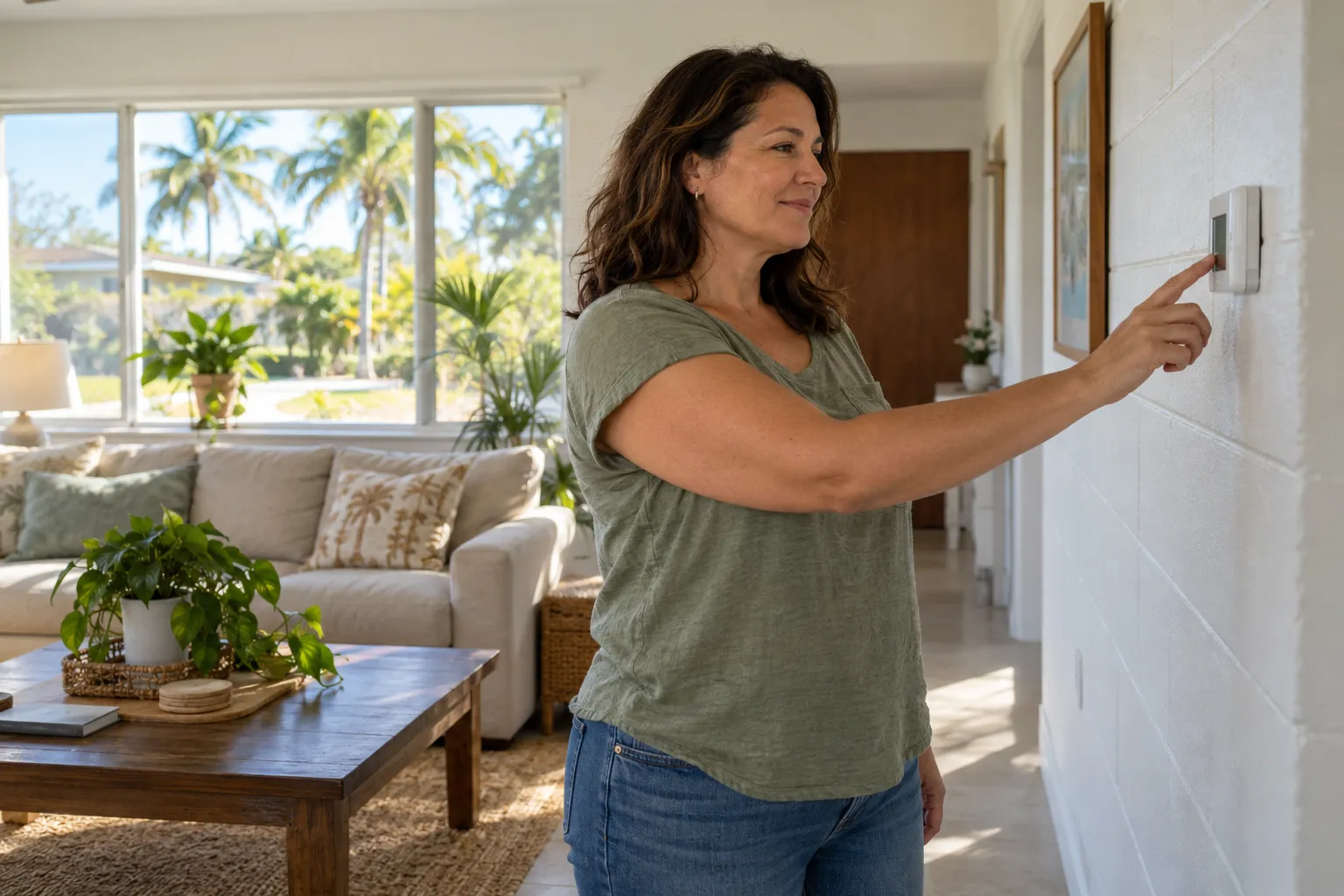
Pause, then check a few simple things. Make sure the thermostat is set to cool and has fresh batteries. Look at the breaker panel for a tripped switch. Check that the air filter is not clogged. Think of it like checking that a lamp is plugged in before blaming the bulb. If none of that helps, stop there. Opening panels or handling refrigerant is work for a provider.
Is it safe to keep running an AC that is making strange noises?
Usually it is better to turn it off. A grinding or squealing sound is like a squeaky wheel on a cart. Keep pushing, and a small wear problem can become a larger one. Switch the system off at the thermostat and wait. A local provider can listen, find the cause, and tell you whether a repair makes sense.
How quickly should I act when my AC or furnace quits?
Sooner is kinder to your system and your home. In humid weather, indoor air can feel sticky within hours, and moisture can settle into fabrics and walls over a few days. Think of a small leak under a sink: early, it is a quick fix. Left alone, it spreads. Request a callback to check provider availability, since response times vary by provider.
Why is my AC running but the air feels warm?
The system may be moving air without removing heat. Common causes include a dirty filter, a frozen coil, low refrigerant from a leak, or a failing outdoor unit. It is like a fan blowing across a bowl of warm water. Air moves, but nothing cools it. Turn the system off if you see ice, and ask a provider to take a look.
How much does AC repair usually cost?
Costs vary by job. In the U.S., small repairs often run a few hundred dollars. Larger parts, like a compressor, can cost well over a thousand. Prices shift with your home, the part, and the provider. Always ask for a written quote before work starts. You can request an estimate here with no obligation.
Should I repair my old system or replace it?
Think of an old car. One repair is fine, but repeated repairs add up. If your system is many years old, needs frequent fixes, or has a costly part failing, replacement may be worth a look. A provider can explain both options in writing. Then you can compare them calmly and decide at your own pace.
Will homeowners insurance pay for HVAC damage?
It depends on your policy and the cause. Some policies may cover sudden damage, such as a lightning strike or storm damage, but normal wear and age are often excluded. Check your policy or ask your insurer. Providers can often help document damage for a claim, so take photos and keep any written notes or invoices.
Do storms and humidity really harm my HVAC system?
They can. Frequent summer storms bring power surges, and humid air makes a system work harder all season. Salt, debris, and standing water can also affect outdoor units. It is like running every day in heavy boots. A yearly check helps catch small problems early. After a big storm, have a provider inspect the unit before you restart it.
Reach a local provider
Tell us what your system is doing. Send a request or email contact@desperateangeles.property, and we will point you to a local provider in our network.
No obligation